AI Agents in HR: Success Stories, Legal Risks, and Lessons Learned
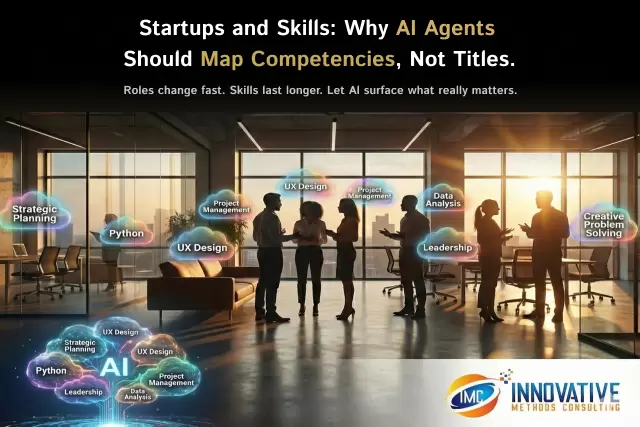
AI agents have moved from hype to reality. While many early projects were experimental proofs of concept, today we’re seeing clear success stories—especially in HR. They’re shifting from being mere “helpers” to functioning as colleagues, taking on workflows, decision-making, and even onboarding processes.
Industry studies indicate that adoption is still in the process of maturing. Some projects falter due to unclear value or “agent washing,” where simple tools are mislabeled as agents. But forward-thinking organizations are now scaling AI agents to manage real HR workflows, from workforce planning to employee engagement.
One crucial area is the use of AI in the hiring process. While agents can accelerate recruiting and identify talent, they also introduce legal risks in two main categories. Bias can easily emerge in AI-driven hiring when algorithms rely on historical or incomplete datasets, which often leads to the replication—or even amplification—of existing inequities. Left unchecked, these same systems can cross into outright discrimination, especially when their outcomes unfairly disadvantage legally protected groups, putting organizations at risk of violating employment laws.
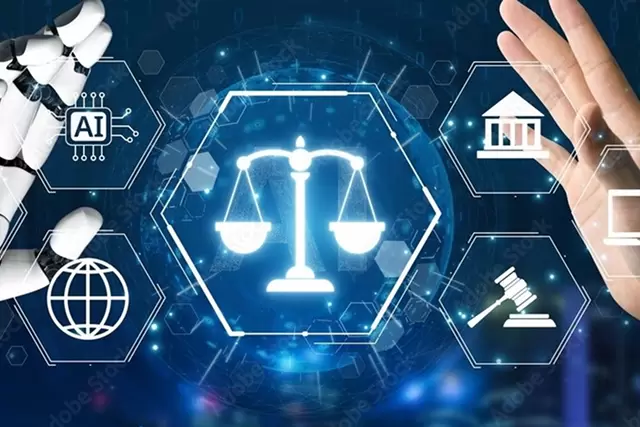
For HR leaders, this underscores why oversight and compliance are not optional but essential. Implementing bias audits, ensuring transparency in decision-making, and embedding legal and ethical guardrails into every stage of AI deployment are critical steps. The goal isn’t just to avoid litigation—it’s to build hiring systems that are fair, trustworthy, and aligned with both organizational values and regulatory expectations.
Organizations can mitigate these risks by implementing bias audits and regularly monitoring their AI models to ensure they are accurate and reliable. They should also use diverse training datasets to minimize systemic bias and ensure transparency and explainability, so hiring teams fully understand why AI agents make certain recommendations. Equally important is embedding ethical guardrails and legal oversight into every deployment to ensure responsible and compliant use of AI in hiring.
Key Takeaways HR Leaders Should Note
HR leaders should recognize that AI agents are advancing rapidly, and by 2028, many routine workplace decisions are expected to be automated. To prepare, it’s wise to approach these agents much like employees: give them clear objectives, monitor their performance, and have plans in place for when they fall short. At the same time, as AI takes over repetitive tasks, organizations must be ready to reskill and redeploy their workforce, channeling human talent into higher-value roles that require judgment, creativity, and empathy. Success with AI should be measured by outcomes rather than activities—what matters most is the impact on performance, not simply the completion of processes. Above all, leaders must strike a balance between ambition and responsibility, embracing AI boldly while maintaining fairness and compliance at the center of every deployment.
Final Thought
AI agents are no longer just experiments; they are now a reality. For HR, they represent an opportunity to move beyond process automation into predictive, intelligent, and ethical decision-making. The winners will be those who responsibly embrace the technology, building both innovation and trust into the future of work.
Ready to explore how AI agents can reshape your HR strategy? Connect with IMC at https://www.in-methods.com/contact-us